
When you’re a part of the disability community, society often expects you to be A PART of it. It’s not a job. It’s not even voluntary. So why are we expected to be a voice or do service like it is?

I question this as I’m checking my inbox. I notice someone who’s child has one of my conditions. Presumably they’re asking for advice or solidarity; I can’t know for sure unless I click “accept”.
If it was one or two messages, that would be fine; I like helping people when I can and feel comfortable doing so.
This, however, was many messages and even unsolicited (missed) calls.
It’s not the first time and, sadly, I doubt it will be the last.
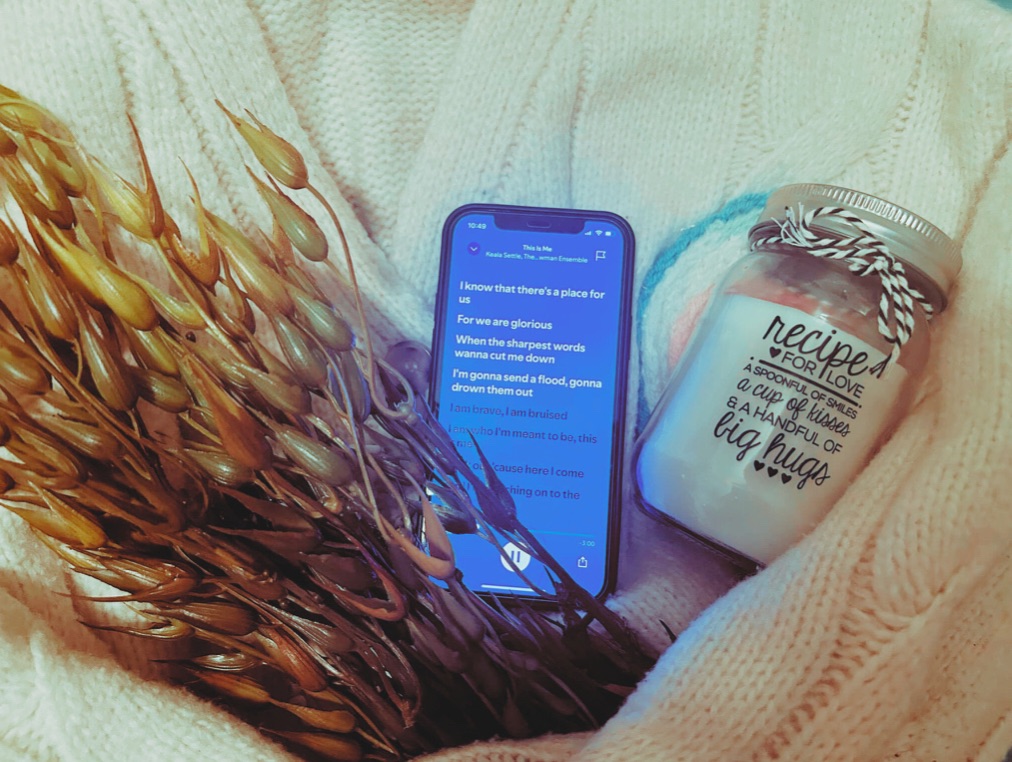
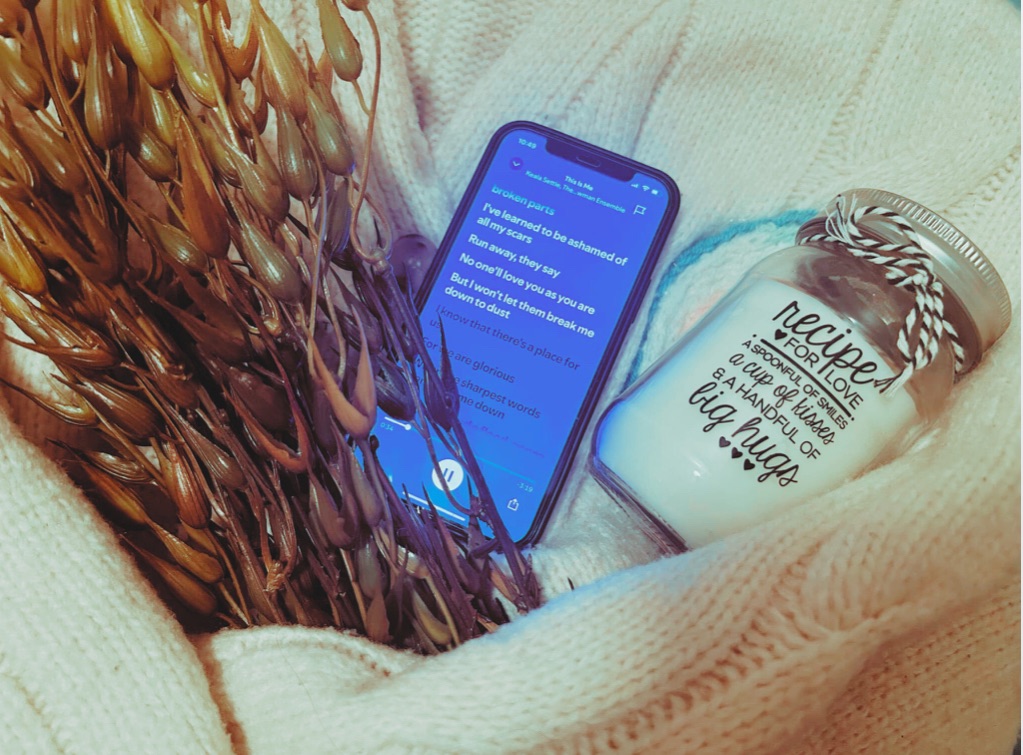
Why is it suddenly “okay” to harass someone when they’re disabled?
It’s a topic I’ve always dismissed but which bothers me.
Last year, a different stranger found my blog as I’d mentioned I had one of the ailments their child also had; a newly discovered syndrome with not much scientific knowledge and the same as this latest one.
They, again, sent a slew of messages and (missed) calls.
The only difference was they’d done so on all my accounts before finding my ex’s Instagram.
I didn’t have notifications on and was rarely on Instagram at the time.
Thus, the first thing I heard about it was from my ex: there was someone asking if I’d died and, if I hadn’t, where they could find me.
Of course I blocked and reported this person and the latest one and every one before that.
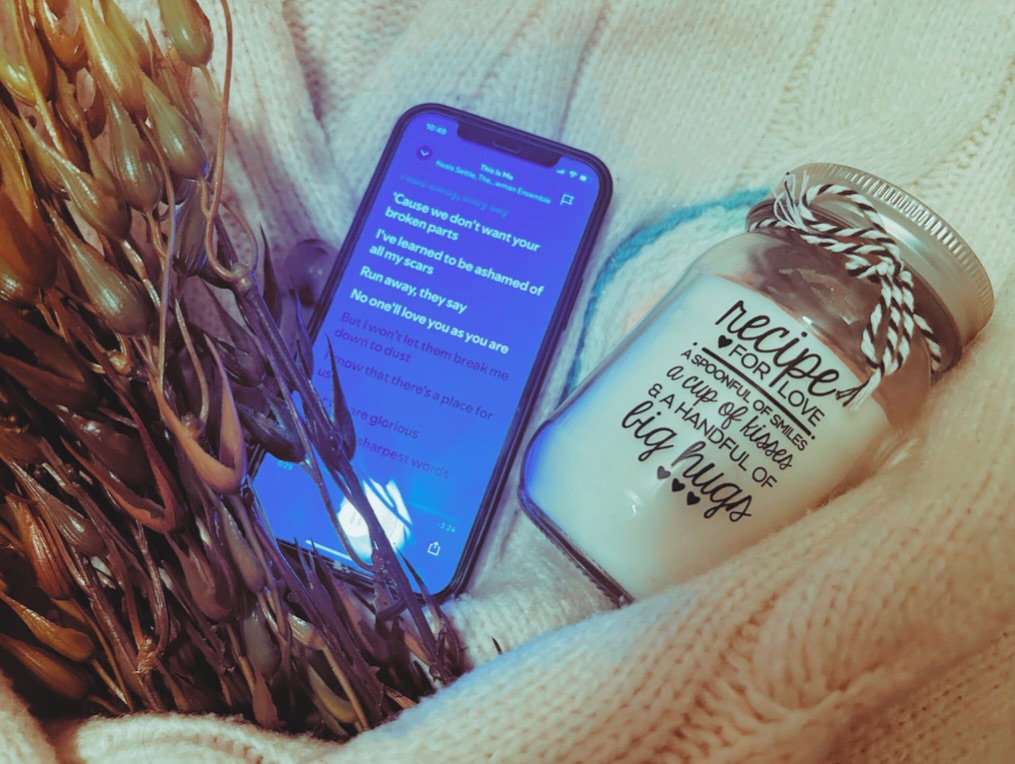
It’s only now, I allow myself to acknowledge it for harassment.
In any other situation, I’d have done so earlier.
However, I’ve had the luck (sense sarcasm) of being taught by the world to see myself in a certain way from a young age:
I am less than others because my body doesn’t necessarily work like theirs, because I need extra help.
My achievements will never be good enough because people can’t or won’t see past mv “broken” parts.
The most important to this article, however:
I was created “like this” to teach and be a voice for an entire group of individuals. (We’ll get back to this.)
Therefore, I’ve always dismissed it as “understandable” because I am “that voice” (even if I never chose to be) and some people are “just too forceful” with their questions.
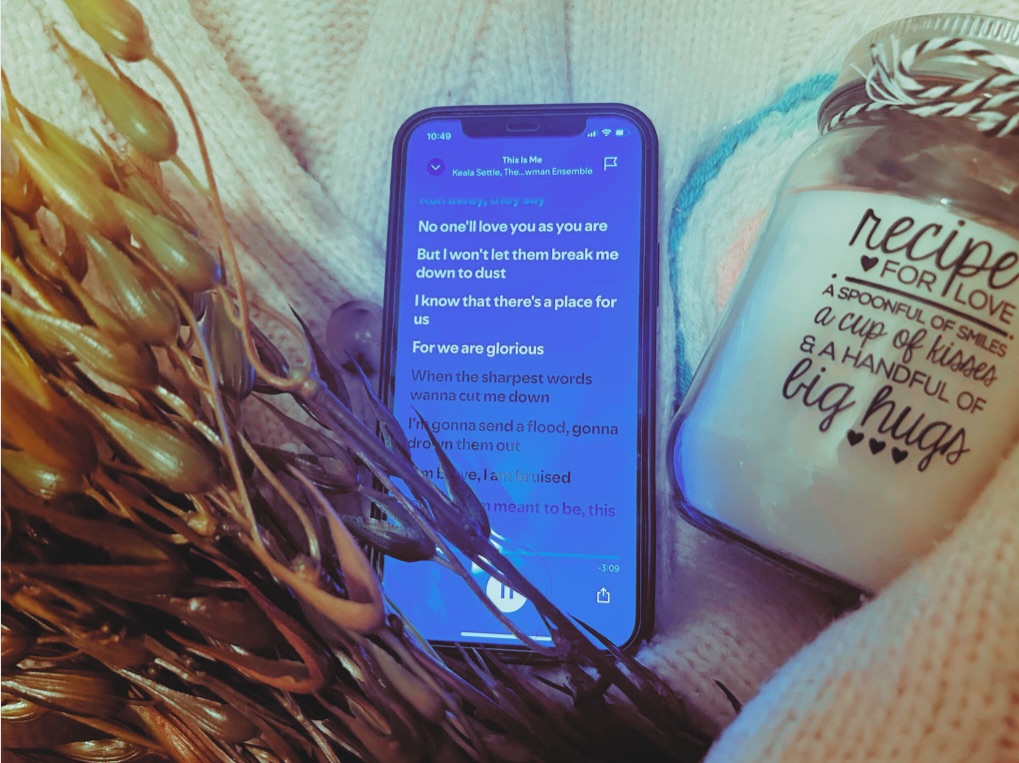
(But) It’s just a type of ableism.
As I’m typing this article, I realise how I don’t have the same experience with other disabled individuals.
When other disabled individuals have asked me for advice or solidarity, it’s typically been with respect and not entitlement.
I’ve also typically felt able to outwardly say “I’m not comfortable talking about XYZ.” and to be respected for this.
It might be that I’m struggling too much or, on contrast, don’t want to detract from a good moment.
In the latter cases, I tend to ask if we can ‘park’ the conversation and pick it up when I do feel comfortable.
Other times, it might be because a specific subject is raw to me or has trauma surrounding it that I’m not willing/ready to divulge.
Whatever the reason, it’s okay and only ableism sees it as otherwise.
Only ableism makes my sole existence to be at people’s beck and call to give answers like I’m a spokesman in front of cameras.
I was born to be me, not a spokesman.
My life came with trials, tribulations and a body that wasn’t “normal” – not a microphone.
I shouldn’t be expected to speak into those produced from back-pockets and told they’re lego blocks to my life.
Personally, I have decided to use my voice but the extent of which should always be my own free choice, not an expectation because of my body’s “differences”.
Despite this, I’ve always found people want me to use my voice and fight for change.
Not because I’m passionate.
Not even because I’m necessarily good at it.
Just because society doesn’t like people who are “too different” and I happen to be one.

Why should I have to talk about inequality anymore than a non-disabled individual?
You may say “oh but Tig, these are issues you face” and, whilst you’d be right, we all face inequality – some just benefit from it.
Those benefitting from a public role should be the people that everyone expects to speak up, even if they never will, not those who are already disadvantaged.
Meanwhile, when I was looking at my options leaving school, I’d always hear about how I should be a writer and publish a memoir (for example).
I chose technology because that’s what I wanted to do and I was lucky to have immediate family members who only care about my happiness.
I was told by others how I could still change my mind and write a memoir when I explicitly did not want that.
Why?
Because “my life was interesting”.
While I agree with this statement, I profusely disagree with how some saw my life as if it were a drama show – not an actual life – and felt like I should do something with that over my geniune happiness and interests.
Disabled people ARE people.
I don’t know how many times this will have to be said or how many times it will go unheard but I will shout it from the rooftops until the day I can no longer.
We are human and we deserve as much respect and privacy as the rest of humanity.
Whether we become politicians, advocates, web designers or nail technicians, we should be given as many options as we feasibly can be.
Those benefiting from inequality don’t get to decide what we should do about being disadvantaged because of it.
If they want change, they should fight for it.
Meanwhile, it should be our choice on how much or little we talk or be a voice.
We are on this planet for the same reason everyone else is: because we are worthy and valid, not because we have to “teach people to make it count”.
We don’t owe it to them or anyone else to educate them.
If they want change, they should fight for it.
Meanwhile, it should be our choice on how much or little we talk or be a voice.
We are on this planet for the same reason everyone else is: because we are worthy and valid, not because we have to “teach people to make it count”.
We don’t owe it to them or anyone else to educate them.
We may choose to try but we don’t owe it.
Lots Of Love,
And Big Gentle Hugs,
Tig x
Save To Pinterest
Support

 Tig Ellis - The Zebra With Rainbow Stripes
One response to “Why Disabled Voices Are Not Obligated to Educate [Article]”
[…] Things I feel anger and frustration about, like how disabled individuals are expected to be a spokesperson 24/7 on anything loosely related to disabilit…. […]
LikeLike